Slay the Spire 2 -- A Sequel that Keeps the Wheel Spinning
14 Mar 2026Slay the Spire 2 is out, and it’s already a hit. Let’s talk about how Mega Crit made a worthy followup to arguably the best roguelike deckbuilder of all time.
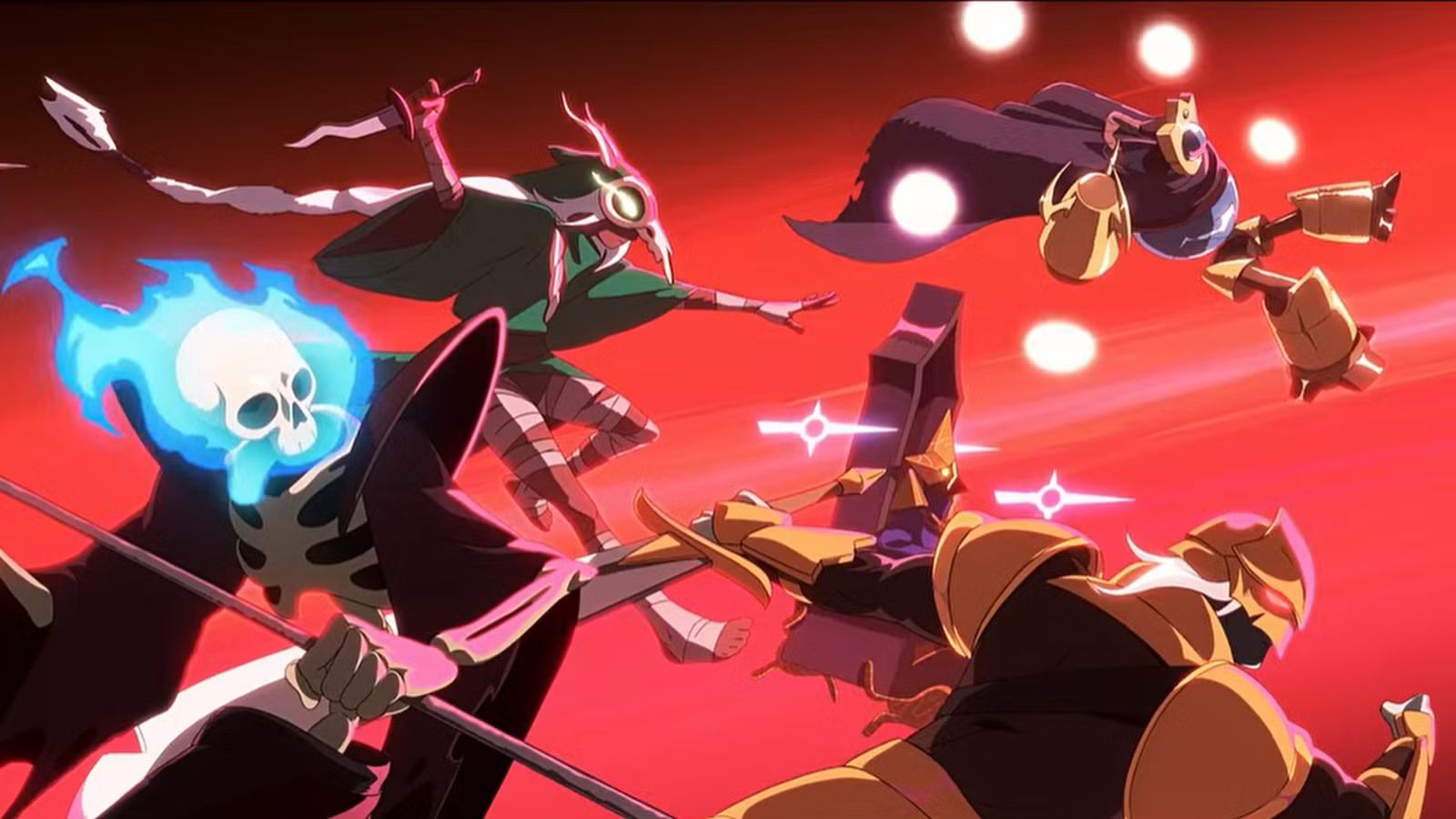
Slay the Spire 2 keeps the same system as the first Slay the Spire. You’ll pick a character with a unique set of cards, fighting enemies, adding cards to your deck, and trying to beat the boss at the end of each level.
What makes it work as a sequel is that every part of that system has new content – new enemies, elites, relics, cards from existing classes, new classes, new events, etc. Players of the original can hop right in and face new challenges and solve new puzzles.
Old Dog, New Tricks
There are a lot of graphical improvements. When you play a card, your character does an animation. You play a strike? The Ironclad swings their sword. This is a step up from the first game, where your character would simply slide towards the enemy.
There are three returning classes from the first Slay the Spire – The Ironclad, an armored warrior, The Silent, an assassin with poison and shivs, and The Defect, a robot who channels elemental orbs for effects on the battlefield.
Each one of these classes will be familiar from the get go. However, they’ve all gone through a few tweaks. For example, The Ironclad had a card in the first game called Heavy Blade that amplified strength buffs for more damage. That card is noticeably gone in Slay the Spire 2. However, for each old card gone, there are new cards for each class to experiment and play with. The Silent has had an upgrade to its discard playstyle – cards that are played when they are discarded now have the keyword Sly, both to help communicate this ability in shorter words and indicating that there are more cards that are played when discarded.
Returning players who pick up a familiar class will notice the improved graphics and animations immediately, and will be given new challenges and opportunities to prove themselves in combat with new cards and strategies to play with.
New Classes
Slay the Spire 2 introduces two new classes. The Regent is a regal lord from outer space, and The Necrobinder is an undead lich who has a helpful bone hand minion named Osty to help out on the battlefield. Both of these characters carve out new design space in Slay the Spire and have different playstyles and builds.
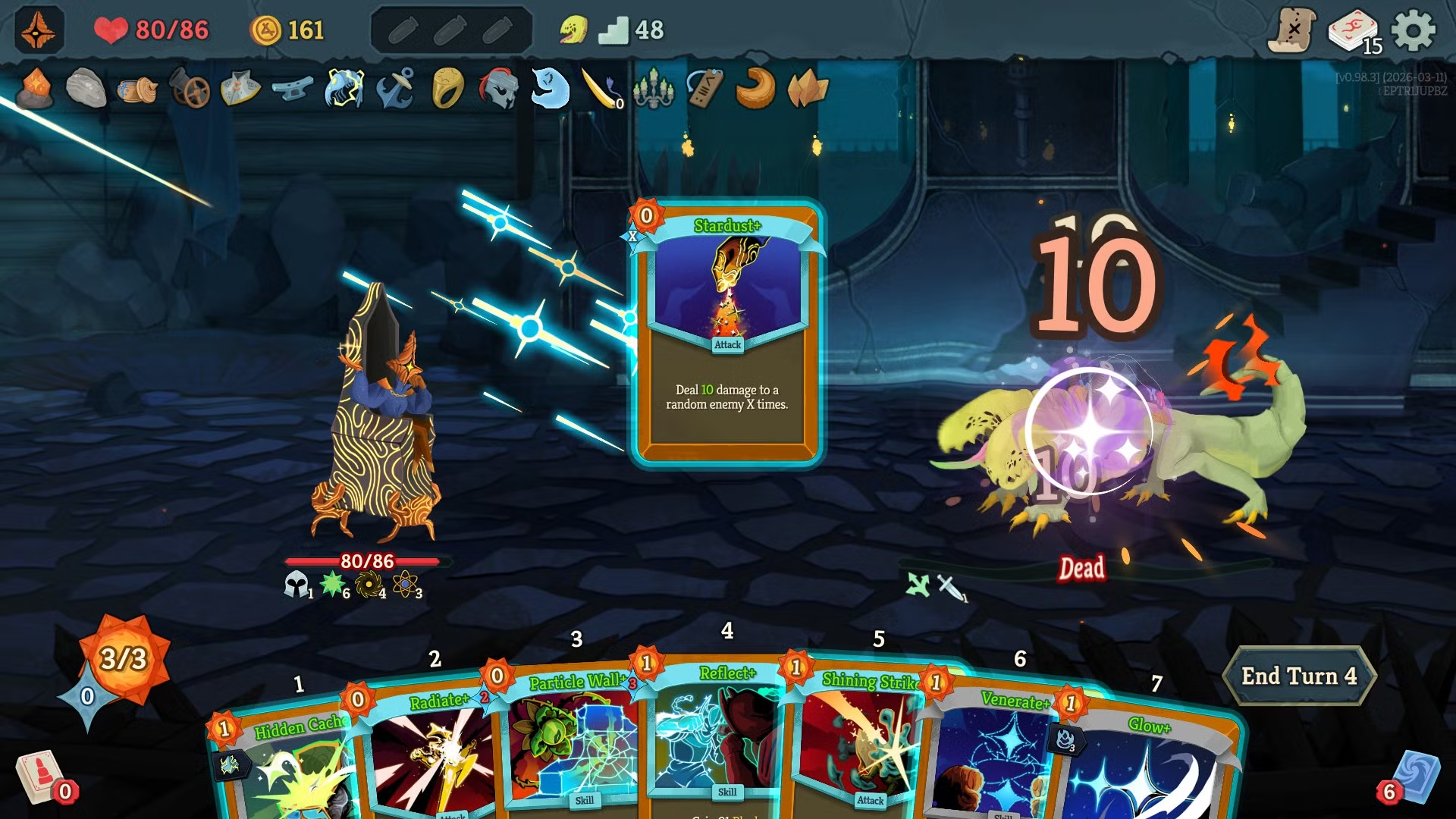 The Regent has an alternate cost system called Stars. You start each battle with three Stars, and can gain more through playing certain cards.
The Regent also has a mechanic called Forge. Each card with this mechanic will have Forge X, where X is a number like 6. The first time you forge in a battle, you add a card called Sovereign Blade. It costs 2 energy, deals an amount of damage equal to a base amount plus however much you’ve forged that battle, and has Retain, so it stays in your hand.
I enjoy playing as The Regent, but I think that the secondary resources of Stars could use some inspiration as well. In its current state, it feels like just another number to track. Secondary resources should have some weight. You should feel happy when you obtain them, and appreciate the reward when you spend them.
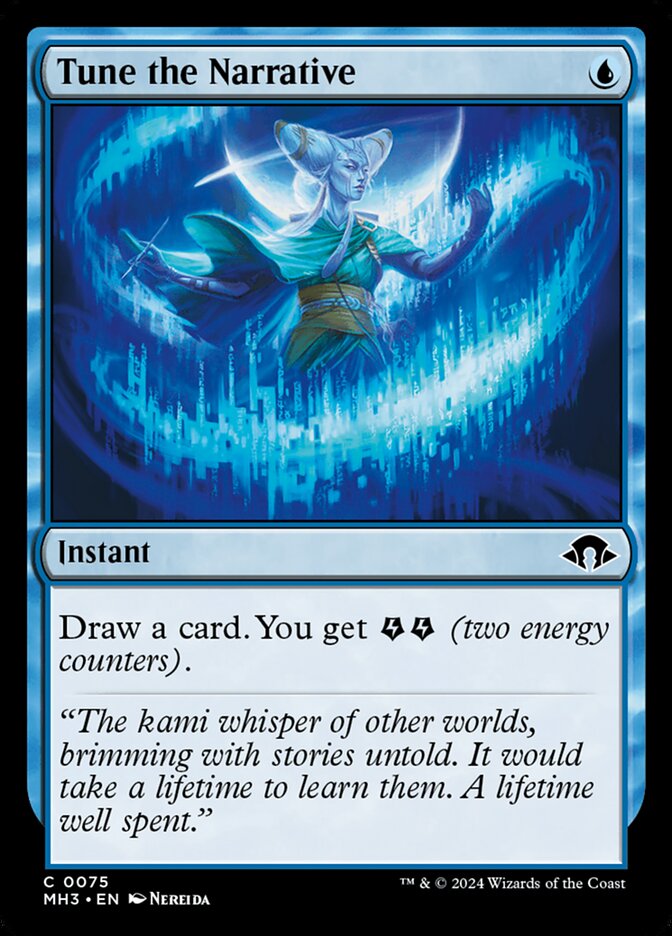
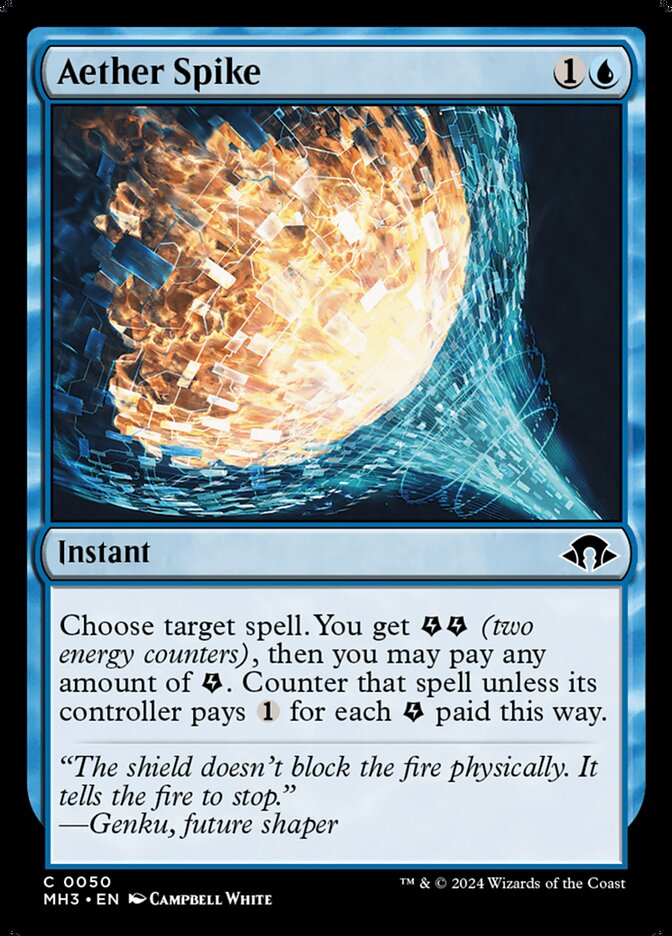
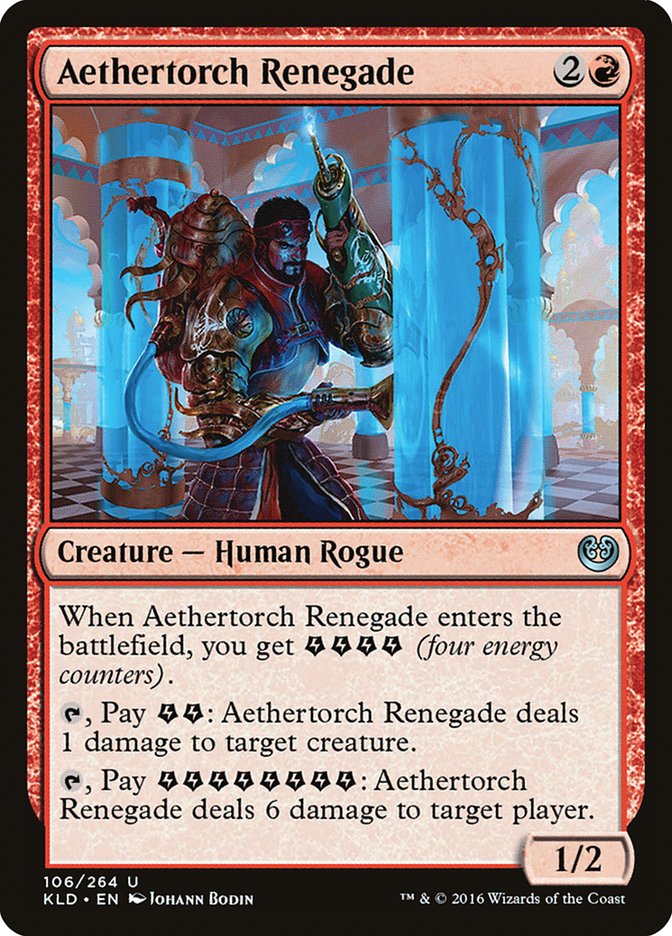
One of my favorite secondary resources in card games is Energy in Magic the Gathering. Energy works in a similar way where some cards generate Energy, and some cards spend Energy. One main difference is in themeing – in Magic cards with Energy, you can often feel how the Energy is amping up the card. Another difference is that Energy is not typically used as a requirement cost, but rather as a way to amplify the effects of a card. You can play a card without spending Energy, but it would be noticeably weaker. Cards with Energy usually have ways of enabling themselves as well, but if you have spare energy, you can spend more for a better effect. Conversely, if you don’t like the cards effect, you can use it as a way to bank up Energy for later.
If Stars were used as a way to amplify cards, as opposed to being a cost to play a card, it could have a mechanically different role and feel from the other main cost to cards.
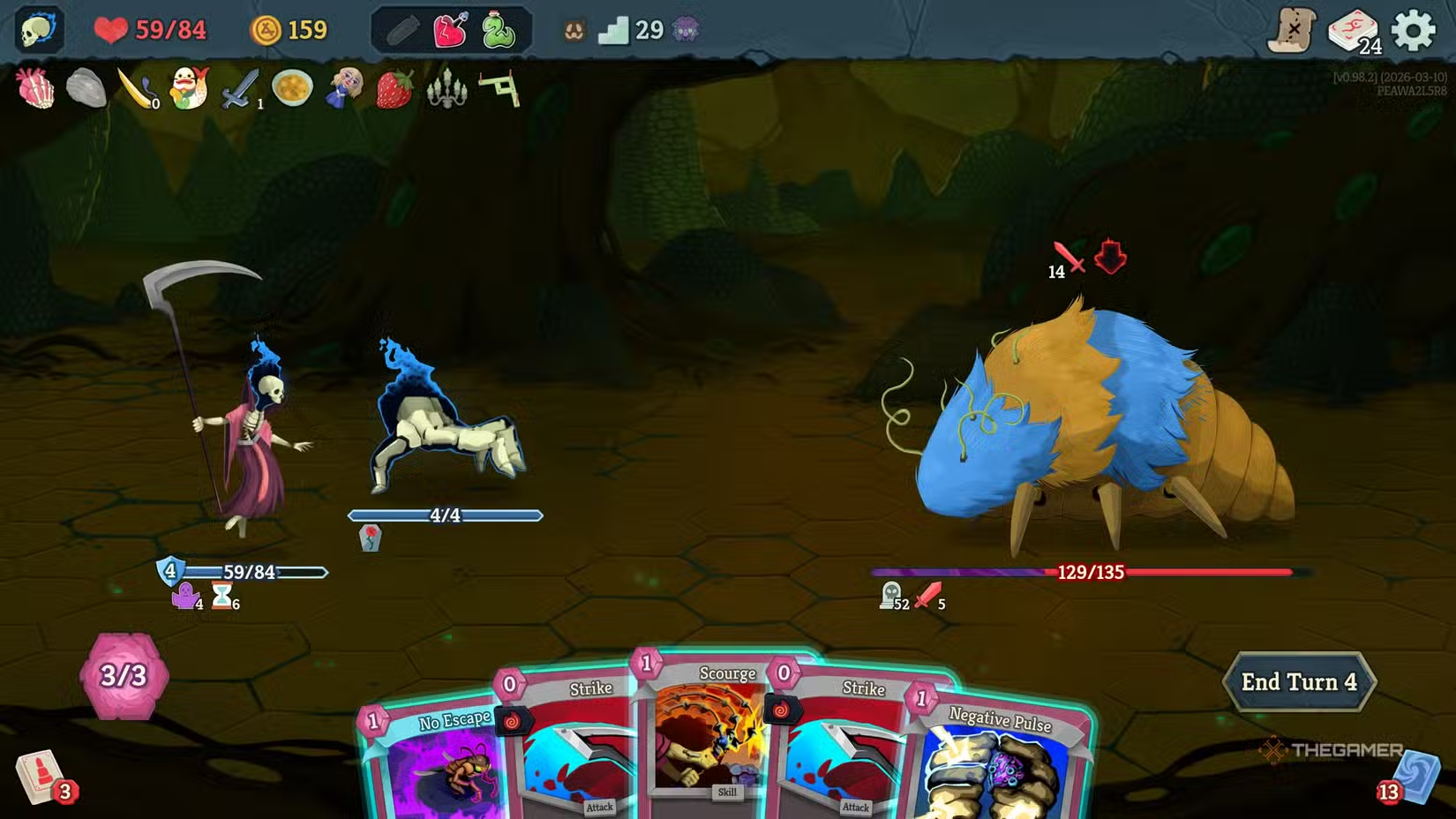 The Necrobinder has some new mechanics as well. The Necrobinder has its own minion, Osty the bone hand. Osty starts each battle at 1/1 HP. At the start of your turn, you’ll add one to Osty’s max and current health. You can also add more health to Osty by playing cards with Summon. When you play a card thats says Summon X (where X is a number like 6), you add that much to Osty’s max and current health.
Osty acts as a shield of sorts – when damage comes through to the Necrobinder, first your armor will take damage, then Osty will take damage, and then finally, your character will take damage.
The Necrobinder also has access to one of my favorite new mechanics, Souls. You can add Soul cards to your deck through other card effects. A Soul card has 0 cost, draws two cards, and is then exhausted. There are cards that synergize with Souls, like Haunt, which triggers to deal damage whenever you play a soul, or Soul Storm, which is an attack that deals bonus damage for each soul you’ve used in that combat.
For me, The Necrobinder is a slam dunk. You have a new character that looks great and mechanics that match that flavor. You think about defense differently with your minion, and you have access to a bevy of strategies for combat.
Epoch System – Joining Unlocks and Narrative Together
One of my core beliefs is that card games struggle to deliver an ingame narrative experience. Cards can do a great job at depicting a world and give us a snapshot of characters in that world, but it can be hard to show these characters overcoming obstacles and going through change.
The cards in Slay the Spire have less space to work with when establishing flavor than, say, a card from Magic the Gathering. In Magic the Gathering, a card can be a creature, an action, an artifact, land – basically anything that could exist in the world that it wants to depict. Slay the Spire, on the other hand, are presented through a much more limited lens of actions that your character will take.
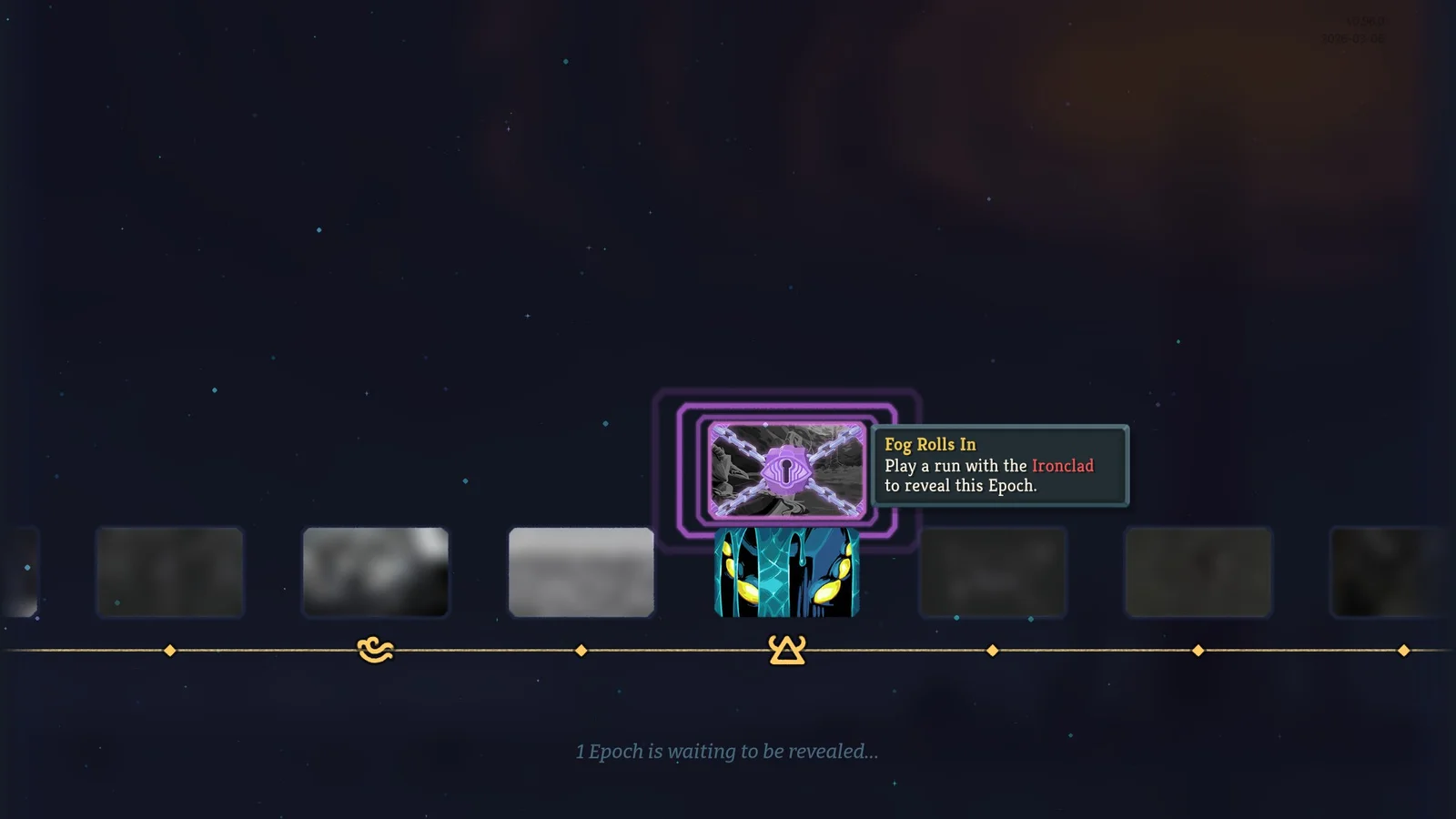
Slay the Spire 2 has attempted to crack the narrative and worldbuilding through a new gameplay system called Epochs. Epochs are a marriage of story moments and item unlocks. As you progress through the game, you’ll unlock Epochs. At the end of your run, you can go to the Epoch Timeline where you’ll see all these moments laid out in chronological order.
You can click to unlock the Epoch, where you’ll be presented with a short story and an illustration that reveals more about a character or the Spire itself. Then you’ll be presented with more relics, cards, or characters that you can meet on your run that will appear in later runs.
It’s a nice twist on the unlock system that gradually gives players more content, while also helping to reveal more about the world of Slay the Spire. There’s built in narrative pacing, and at any point, the player can experience each epoch in a linear fashion by going through each epoch from first to last.
Right now, some of the Epoch artwork has placeholder art (the game is technically in Early Access, even though it feels like a finished game), so it’s hard to judge the overall effect. However, the Epochs with finished art are evocative and allow you to connect to your character. I can’t wait to see the finished product.
Conclusion
Slay the Spire 2 shows that a good game system, along with many mechanics and good design, can keep players entertained for hours upon hours over multiple games. It doesn’t reinvent the wheel, but it does make every part of the wheel better. With new classes, cards, relics, enemies, and bosses, Slay the Spire 2 will keep players entertained and have them slaying to their heart’s content.