23 May 2026
One of my favorite ways of playing Magic the Gathering is chaos draft. I love the variety and the joy of trying to put together cards from twenty plus different sets into one cohesive deck.
I also love drafting Izzet (a blue-red deck). I love drafting spell slinger decks in just about any game, but chaos draft in Magic the Gathering is a great format to play Izzet, since so many blue-red archetypes focus on sorceries and instants.
I also also love Time Spiral Remastered. The mechanics, retro frames, color shifted cards are all my jam.
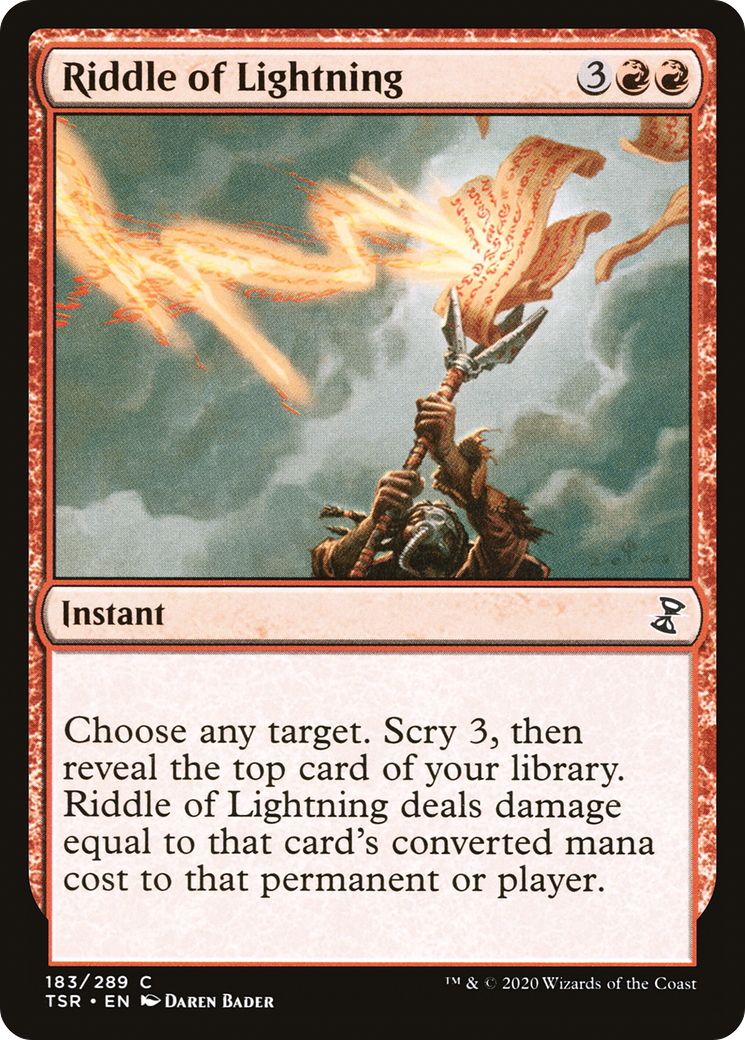
It should come as no surprise then that I’ve drafted and played the common spell Riddle of Lightning many times.
16 May 2026
I was at a playtesting meetup in Brooklyn, where I had the chance to chat with a veteran game designer that I admire and respect.
He had a few different games with him, so I asked him how many game prototypes he had in the works.
“Oh, about thirty,” he said.
Internally, I had a meltdown in my frontal cortex. Thirty prototypes? Thirty?? Here I was, playtesting my second prototype, and feeling guilty for not testing my first.
I asked, “How do you keep track of all of those prototypes?”
He said, “That’s a very good question.”
That conversation got me thinking about the possibility of being able to talk to a publisher, reaching into a grab bag of ten different games, and being able to pitch whichever one was the best fit for what they’re looking for. (Thirty prototypes can come later.)
I’ve leveled up my prototyping, design, and printing processes. Why not level up my organization and create a framework that would allow me to support ten prototypes?

02 May 2026
Recently, I went to a game design workshop. There, I got some great advice. Chief among them was “Shut up and playtest.”
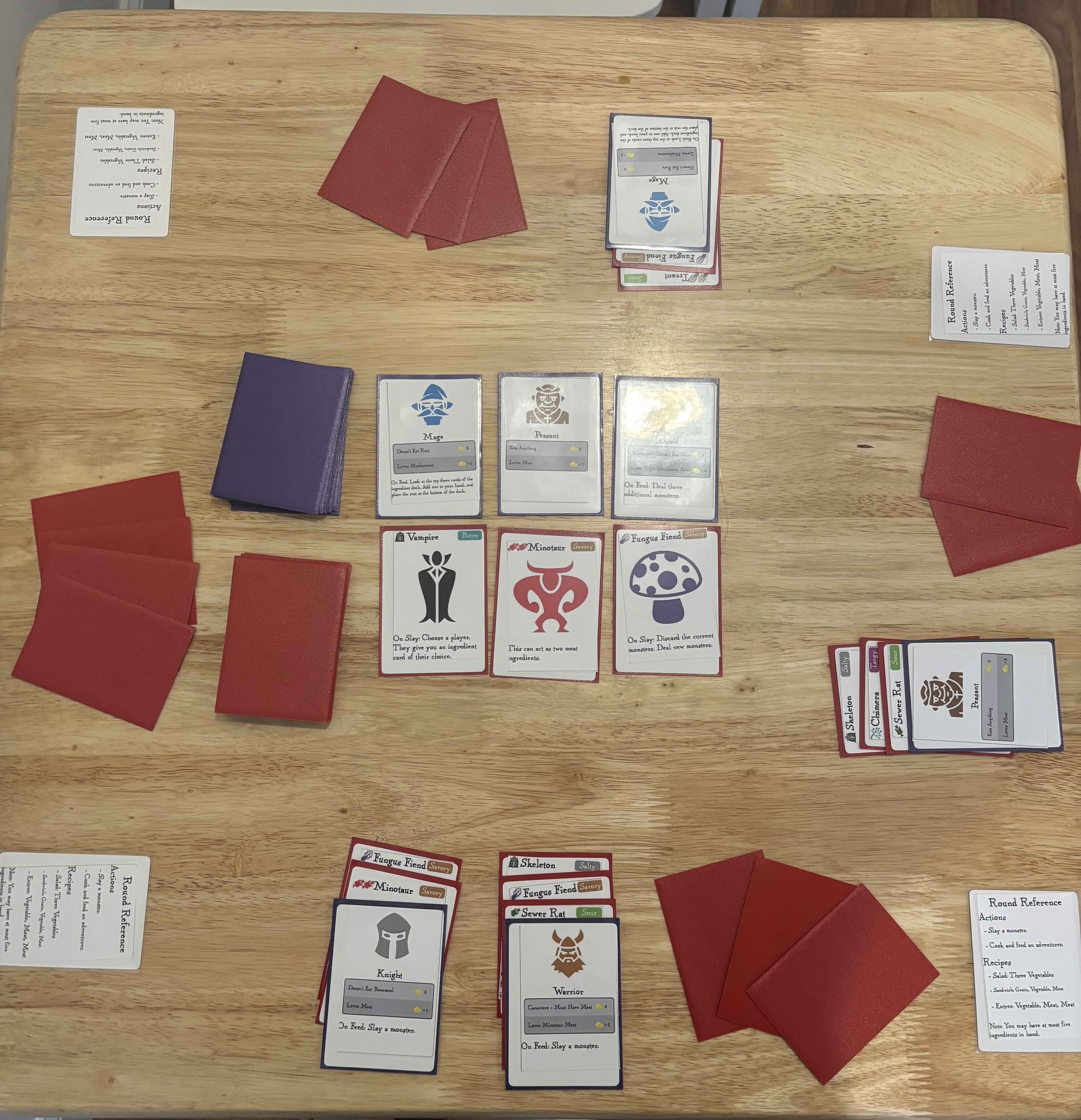
So I figured I’d dust off my light card strategy game and shut up and playtest.
Introducing Monster Kitchen!
25 Apr 2026
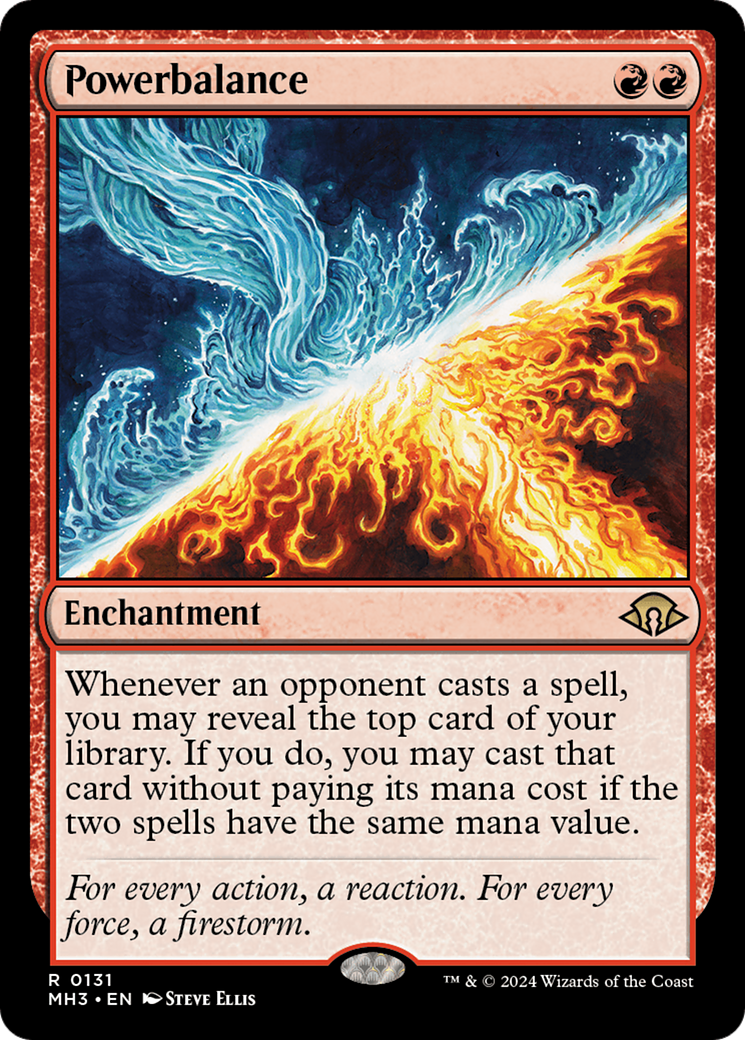
One hurdle in making a game that every designer must overcome is balancing their game to make sure that there are no grossly overpowered strategies.
How does a designer achieve this? Let’s find out!
18 Apr 2026
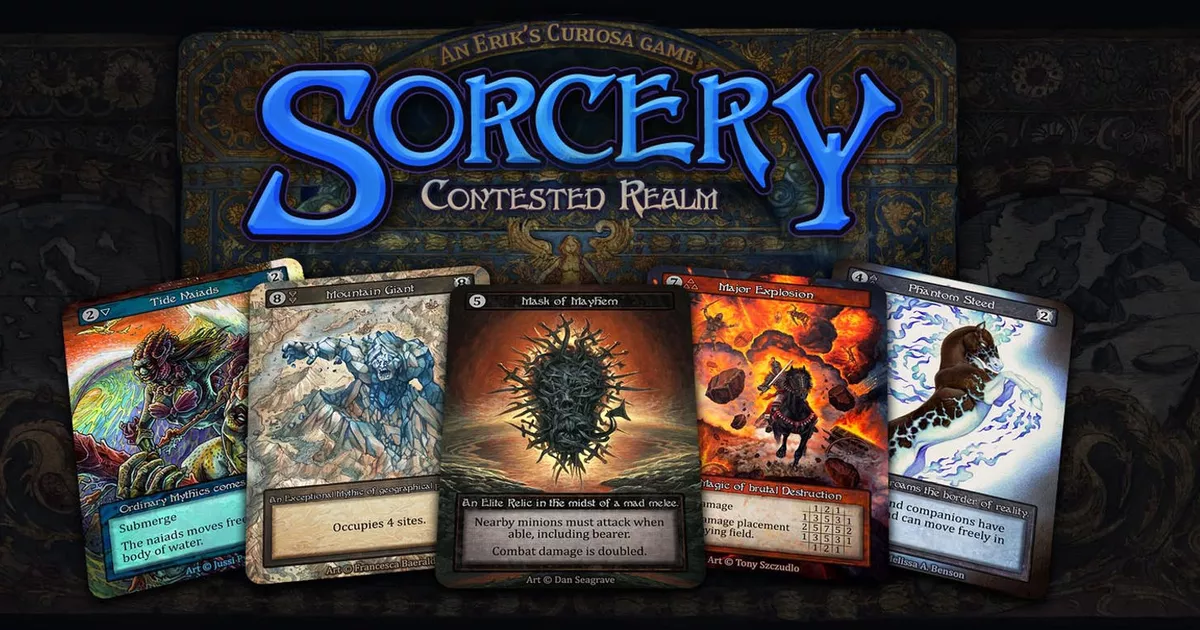
A lot of designers look at Magic: The Gathering and say “Hey, I could make a better version of that!”
One game studio, Erik’s Curiosa Limited, did just that and launched the trading card game Sorcery: Contested Realm with a Kickstarter campaign raising over $4 million.
Let’s take a look at the best example of a Magic: The Gathering inspired game designed for a contemporary audience.