The Great Expectations of Slay the Spire 2
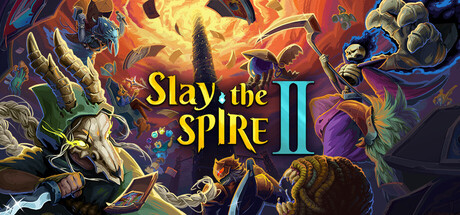
07 Mar 2026Slay the Spire 2 came out on Thursday. I haven’t played it at all.
Before I do, I wanted to share my thoughts about what Slay the Spire 2 has to accomplish to live up to the reputation of its predecessor. Can the sequel live up to the hype of the original Slay the Spire?
Context
Slay the Spire was released in early access in November 2017. When it was first released, sales were slow until a streamer in China picked up the game. The game spread and sales exploded, jumping from 800 copies in the first few days to over 700,000 copies sold six months later.
Its rise in sales also helped the rise of the roguelike deckbuilder videogame genre. Slay the Spire used its digital nature in order to provide an experience that you can’t get in a paper card game where you’re staring your opponent down the table – an infinite power fantasy.
In a tabletop card game, once you’ve either proven that you will win, or have accumulated a significant advantage, your opponent will concede and the game is over. If you have shown a path to victory, it’s considered poor sportsmanship to continue playing, even if you have your awesome rare card in your hand that you’re itching to play. This makes sense as it feels bad to lose, and you have another human you’re playing against, and you (supposedly) want to have fun with them, instead of making them suffer while you play the game.
If you’re winning a game against a computer, though, they don’t have any feelings that you need to consider. You can play the meanest, nastiest cards you can think of and live out your wildest power fantasies. Your gameplay experience is solely about you.
For many players, Slay the Spire was their first experience with a roguelike deckbuilder game. That was almost a decade ago. Can Slay the Spire 2 deliver on the hopes and expectations of a groundbreaking game, even after much of the ground has been broken?
Sequel Stress
A successful sequel has to hold true to the original game while adding enough new material to make the purchase worth the consumer’s dollar. A sequel that’s too similar is boring and a cash grab, and a sequel that’s too different is alienating and messing with success.
Movies are another medium where studios make sequels, and they too have to make an entertainment product that feels true to the original, but provides fans something new.
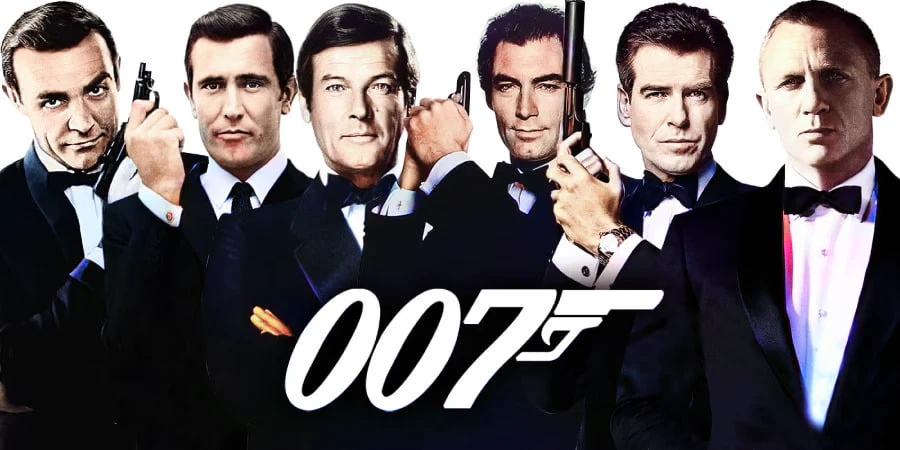
This problem is ameliorated in narrative heavy entertainment products, like movies, or even story-driven games like The Last of Us, you can take the characters from the first movie, and put them in a new situation that’s similar, but not quite the same, as the original. Think about all of the James Bond or Mission Impossible movies where a new villain arises to endanger the world, only for the charismatic hero to save the day. These sequels work because they have a formula that works, and a likable protagonist that audiences want to root for.
Slay the Spire doesn’t have this. Yes, it has characters from the first games, but those characters never speak, and the only narrative is that you have to escape the spire… by slaying. This appears to be the same story of Slay the Spire 2, and that narrative alone won’t be enough to bring people back.
Historically, sequels in games can also adapt to new technology, using more powerful computers to provide more gameplay. Think about the jump from Warcraft 2, rendered in 2D and sporting two nearly identical factions, to Warcraft 3, which had 3D graphics, four unique factions and a new Hero system.
Can Slay the Spire 2 innovate with new technology? I don’t think so. From a technical perspective, the original Slay the Spire could probably be made with Adobe Flash in 2001. Card games do not require a lot of processing power, and Slay the Spire used 2D art assets for cards, characters, background, and effects. And before you dismiss this as hyperbole, the Game Boy Advanced game Yu-Gi-Oh! The Eternal Duelist Soul released in 2001 in Japan with over 900 cards and a complete Yu-Gi-Oh ruleset.
I’m not saying that a game can’t be fun without every bell and whistle. I still play the original Pokemon Trading Card Game for the Gameboy. What I am saying is that I don’t think Slay the Spire 2 will use raytracing to provide a new gameplay experience that was missing in the first Slay the Spire.
There is another entertainment property that is able to sell sequel upon sequel without narrative or technical innovations – trading card games.
What’s a new card set, but another Sequel?
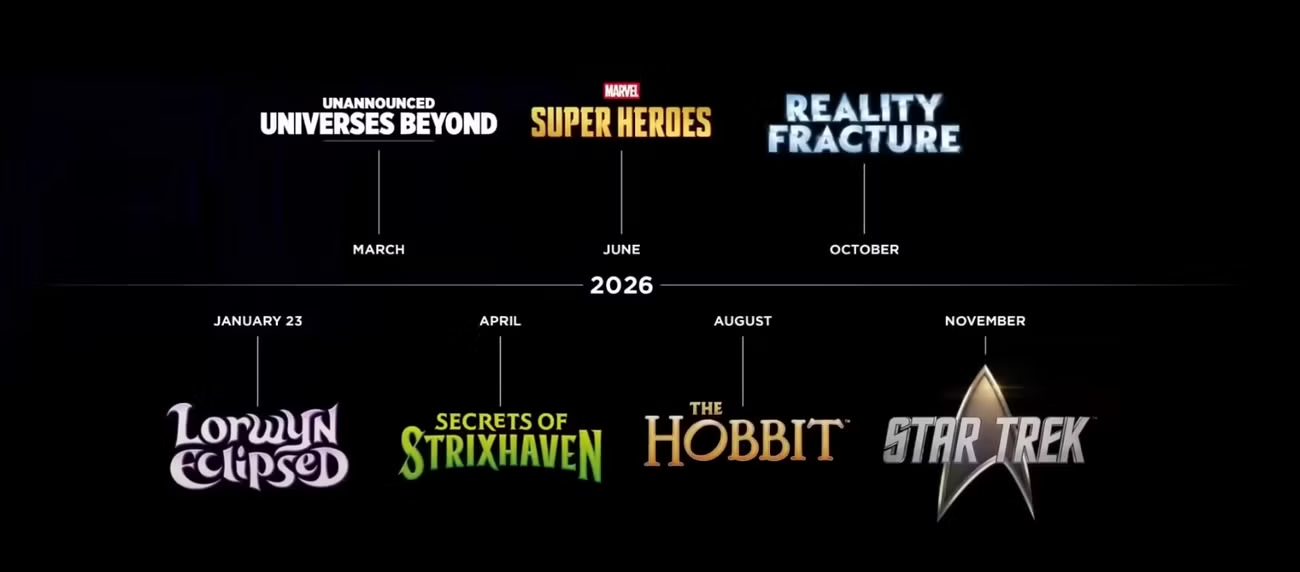
For 2026, approximately every seven weeks, Magic the Gathering has or will release a new set of Magic cards to the public. Do they contain relatable characters in new settings and scenarios? Not really – four of the seven new sets this year are other intellectual properties and have no narrative cohesion. Do they have new technology? I’m sure printing has evolved over the last 30 years, but Magic the Gathering is still ink on cardboard, same as it ever was.
What drives sales of new cards? How can Magic keep making new sets without the game going stale? New cards, of course!
Trading card games like Magic the Gathering, Pokemon, and YuGiOh rely on their players to invest time and money into their collections, with the hope that their cards will be playable for years to come.
New sets bring new mechanics, and new cards can be matched up with old cards to form new strategies and tactics.
Card games have another element that helps keep gameplay fresh over time – randomness. In every card game, players have decks of cards that are randomized in order through shuffling.
Trading card games must keep their rules fairly consistent so as to not make older cards invalid, but video games that are self contained can introduce new mechanics and systems.
Warcraft 3 had better graphics and used new technology, but many of its innovations come from gameplay mechanics and design rather than tech. The move from two symmetrical factions to four asymmetrical factions could have been done in the 90s, as Blizzard did with Starcraft (albeit with three factions rather than four). The hero system in Warcraft 3 did not require four times as much RAM – from a data perspective, you probably have to store a few kilobytes more data for a hero unit than for a regular run of the mill grunt. However, the hero system proved to be one of the best mechanics of Warcraft 3, and influenced many popular games to come, like World of Warcraft and League of Legends.
Conclusion
Perhaps the question we should be asking isn’t whether Slay the Spire 2 can achieve as much as Slay the Spire did. We can instead ask whether or not Slay the Spire 2 would be worth consumers’ time and money.
If Slay the Spire 2 can bring the same dynamic gameplay from Slay the Spire, but with some new cards, classes, and systems, that could be enough to make sure that it succeeds as a sequel.
Slay the Spire was born from two friends in Seattle, one of which managed a local game store, stocked with card games and board games. They took inspiration from those games and brought them into the digital space, providing video game players with fresh new gameplay they hadn’t seen before.
Perhaps we can trust the makers of the original Slay the Spire to have continued playing games and seeing what has worked in the marketplace. Just as video games continue to evolve, so too have board games and card games. With nearly a decade since the release of the original game, I’m sure there are some new mechanics that they have been wanting to share in their own game.
Can the sequel live up to the hype of the original Slay the Spire? Is that even the right question? Do game designers exist to revolutionize the industry with every game they release, or is it the job of a game designer to make a game that people enjoy playing?
Be sure to tune in next Saturday – I’ll be spending this week trying to slay the spire again and will give my thoughts on Slay the Spire 2.